
Topaz Project, Minnesota, USA (100% owned)
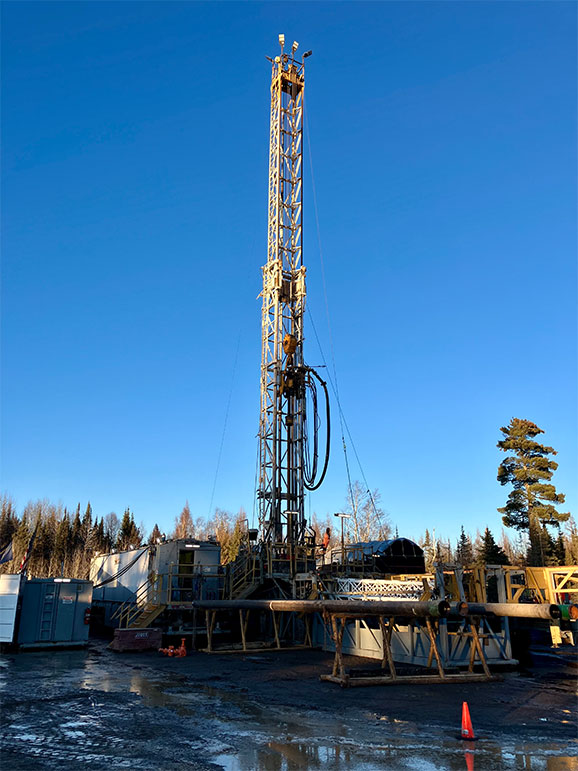
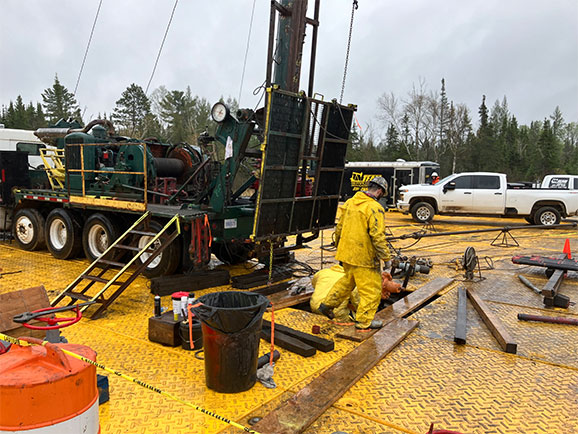
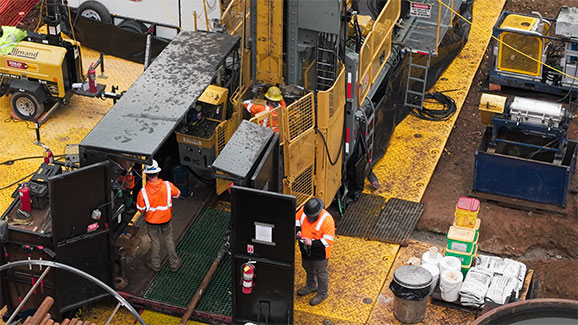
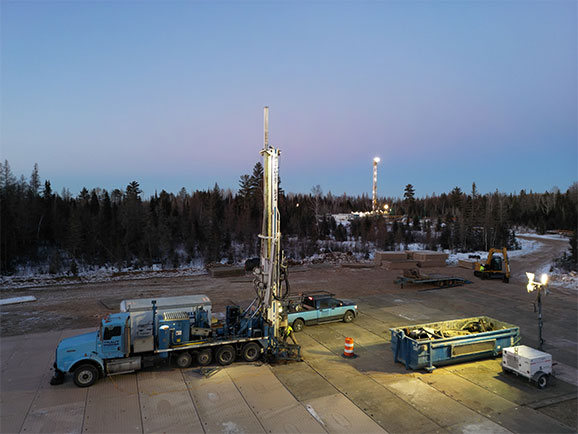
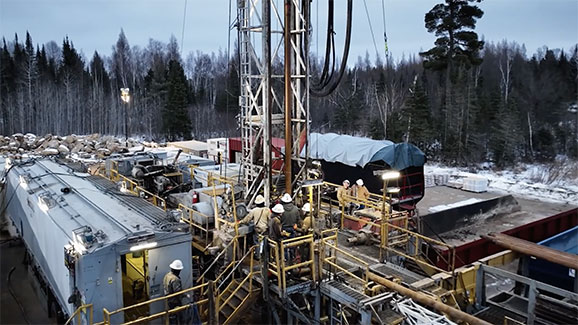
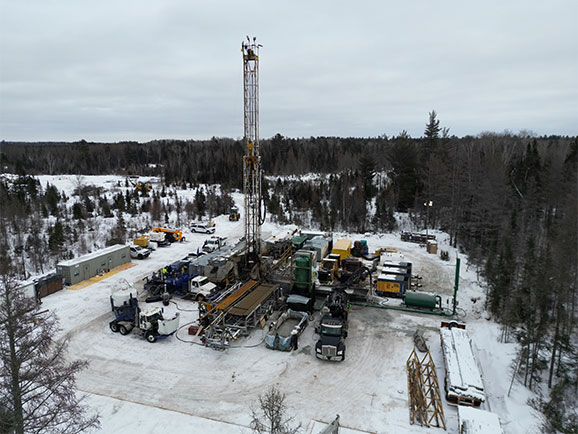
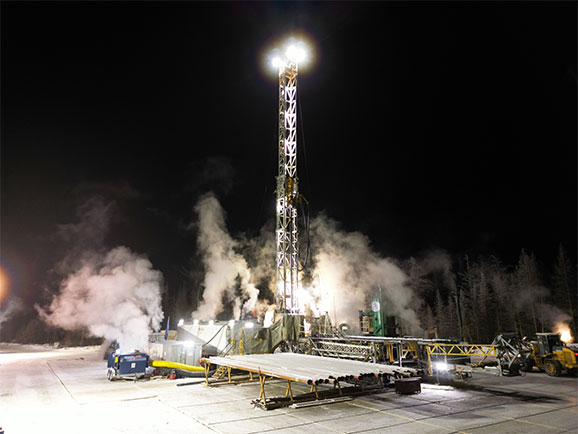
Topaz is a significant helium discovery in a new helium location where Pulsar holds a first-mover advantage. Flow testing of two wells revealed Jetstream #1 averaging 8.1% helium and Jetstream #2 averaging 5.6% helium. These results solidify Topaz's status as a top-tier primary helium discovery. Helium concentrations exceeding 0.3% are generally considered by industry to have potential for economic viability. The gas flowed under pressure, naturally to the surface, and was not associated with water.
Laboratory analysis of gas from Jetstream #1 also confirmed the presence of highly elevated concentrations of helium-3 — a gas that is incredibly rare on Earth and has applications in quantum computing, fusion energy, and more. These results have since been independently verified by two U.S. Federal government laboratories: the USGS Noble Gas Laboratory in Denver and Lawrence Livermore National Laboratory, both of which confirmed helium-3 concentrations of 11.2–11.9 parts per billion, among the highest such concentrations ever reported from a terrestrial gas reservoir.
Topaz is located in Lake County, Minnesota, ~65 miles north of the regional center of Duluth. The project benefits from excellent infrastructure: existing road access to the site, with three-phase grid power and rail 5.5 miles to the south, and an available, highly skilled local workforce.
Minnesota's regulatory framework has evolved alongside Pulsar's discovery. In 2024, the state legislature enacted legislation creating a pathway for gas resource development for the first time. In May 2026, Governor Tim Walz signed further legislation creating helium-specific permitting guidelines for Cook, Lake, and St. Louis Counties, prohibiting oil wells and hydraulic fracturing while allowing the sale of by-product CO2, with the Minnesota DNR's permanent rules now progressing through public comment and adoption.
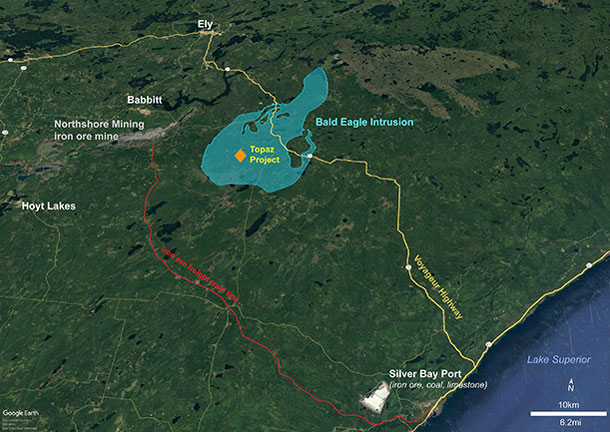
Latitude: 47° 38' 05'' N
Longitude: 91° 42' 03'' W
Geology
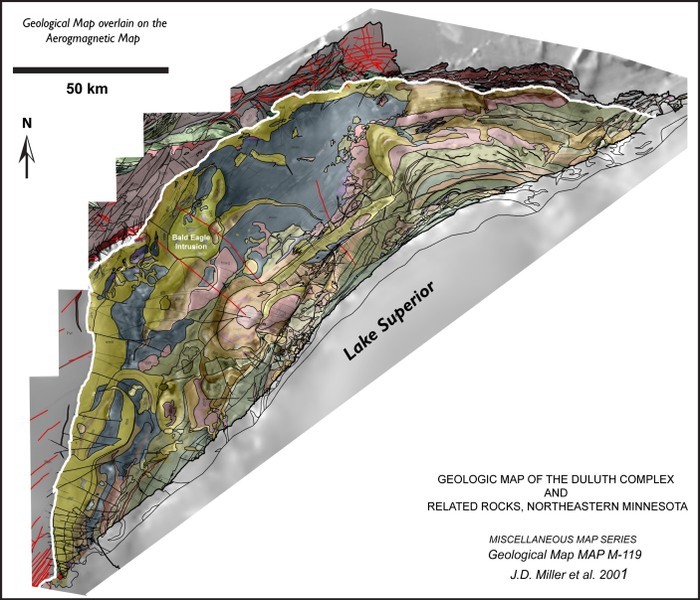
The Topaz Project sits within the Mid-Continent Rift Zone (MCRZ), a 1.1-billion-year-old failed rift that stretches from Kansas through Minnesota and into western Ontario, Canada. Specifically, Topaz lies within the Bald Eagle Intrusion of the Duluth Igneous Complex, a large igneous complex second only to the Bushveld Igneous Complex in South Africa.
The geology of the Topaz area includes some of the oldest rocks in North America, and the stable tectonic conditions prevailing over the last billion years may have allowed significant volumes of helium to accumulate undisturbed. It is believed the source of the helium in Topaz is the ancient Giants Range Batholith, a 2.7 billion-year-old large granitic body that underlies much of northeastern. Through radioactive decay of naturally occurring uranium and Thorium within the Giant's Range Batholith, helium is released. With roughly 2.7 billion years of decay behind it, the Giants Range Batholith has had an unusually long runway to generate helium, which has since migrated upward along the fracture network associated with the later Mid-Continent Rift, coming to rest within the Bald Eagle Intrusion, which acts as both the reservoir and seal for the Helium.
Work Program
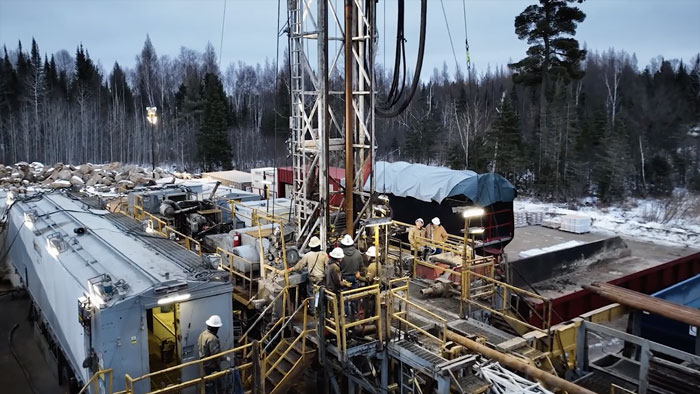
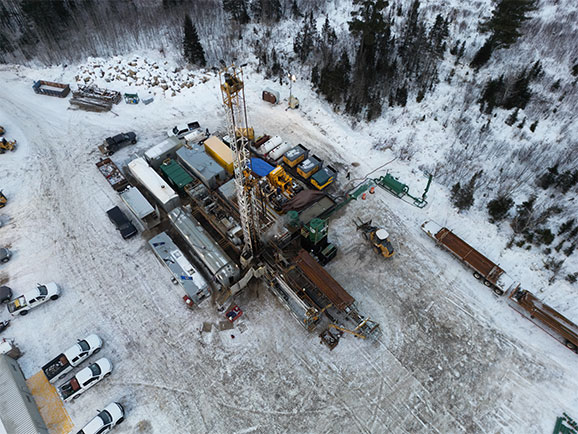
Building on drilling success, Pulsar is now progressing plans to drill up to six further wells at Topaz, targeted for drilling between Q1 2027 and Q2 2027 to support a first production target of Q4 2027.
In parallel, the Company continues to advance downstream infrastructure. In June 2026 Pulsar's subsidiary Keewaydin Resources Inc. signed a binding Letter Agreement and Limited Notice to Proceed with an arm's-length third-party vendor to reserve a helium liquefaction plant and equipment package for potential deployment in Minnesota, with a definitive purchase agreement targeted for later in 2026 alongside the Company's anticipated Final Investment Decision. The proposed plant conguration contemplates helium liquefaction capacity of approximately 940 liters per hour and CO₂ capture capacity of approximately 300 tonnes per day, subject to final specifications and operating conditions.
Mineral Rights
Topaz is located on private mineral rights for which Pulsar has exclusive leases. Further application has been submitted with the State for additional areas of interest to provide Pulsar with district scale control.
Key Takeaways
High Concentration
Exceptional helium grade with potential for low operating costs.
Short Roadmap
Accelerated path to production, with first helium targeted for Q4 2027
High Value
Three products from a single resource: helium, CO2 and rare helium-3.
Excellent Location
The project benefits from on-site road access, grid power within a few miles and a supportive legislative environment.
First Mover
Pulsar holds first-mover advantage in Minnesota's newly emerging primary helium province.
Supportive Legislation
Minnesota enacted helium-specific legislation in 2024 and again in 2026, creating a dedicated regulatory pathway.


