


03/06/2026
Critical Materials & Resource Dependency
Qatar’s Sizable Helium Share Spotlights Concentration Risk As Iran War And Hormuz Tensions Escalate
Qatar’s Sizable Helium Share Spotlights Concentration Risk As Iran War And Hormuz Tensions Escalate
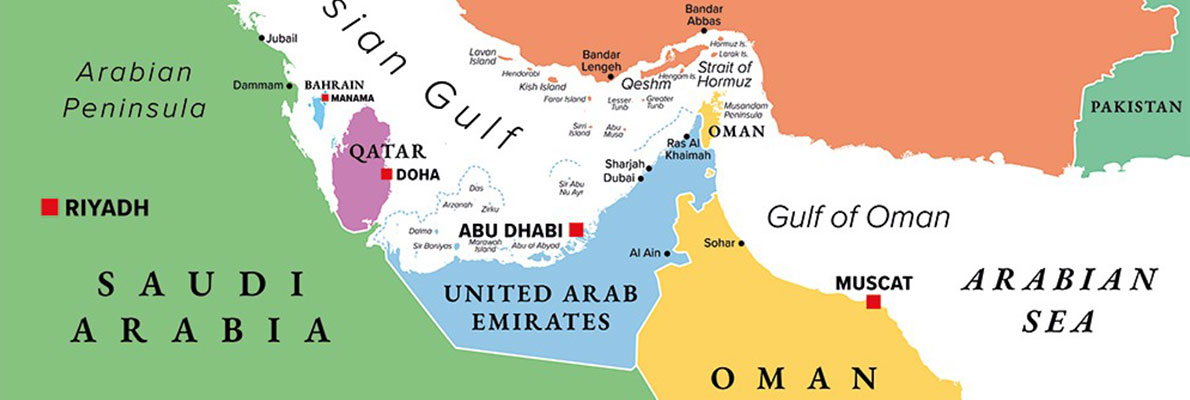
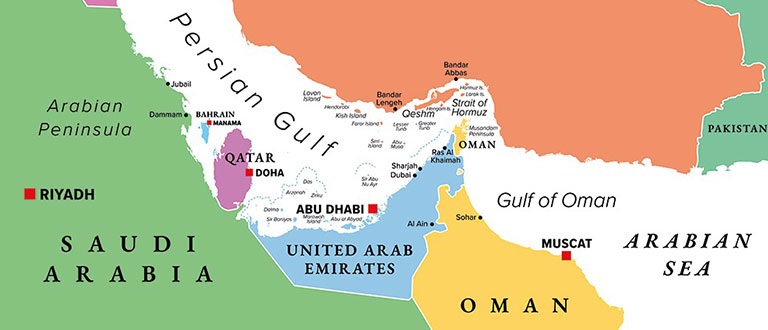
This week’s escalation around Iran has quickly moved beyond geopolitics and into the plumbing of global trade. Early signals suggest markets are pricing in a scenario where the Strait of Hormuz becomes a functional constraint for months to come.
On 2 March 2026, Qatar halted LNG production at Ras Laffan after it was targeted, sending European gas sharply higher as buyers confronted the reality of constrained near-term supply and limited flexibility in global shipping. At the same time, freight rates for very large crude carriers (VLCCs) surged to record highs, rising above $400,000 per day, while LNG tanker rates jumped over 40% in both Atlantic and Pacific markets, underscoring how risk premiums are being baked into logistics costs. Insurance markets responded in kind: leading marine insurers cancelled war-risk cover for vessels operating in the Gulf, with premiums rising by as much as 50% or more as carriers face sharply elevated exposure costs.
Helium is directly tied to these same assets and routes. In Qatar, one of the world’s largest helium producers, supply is directly tethered to natural gas production, with helium typically recovered during gas processing. As a result, it depends on the same liquefaction facilities, storage infrastructure, and maritime corridors that are now under pressure. The Gulf’s export architecture is highly concentrated, and industry commentary this week has warned that any full or partial closure of Hormuz would likely disrupt helium flows from Qatar into European and Asian markets.
According to the United States Geological Survey, in 2024 Qatar supplied 36% of the world’s helium, and those cargoes largely share the same export pathways, shipping capacity, and geopolitical risk profile as LNG. Such concentration underscores a structural supply-chain vulnerability. When a single geopolitical flashpoint can place more than a fifth of global output at risk, markets are compelled to reassess security of supply. In that environment, the strategic importance of new, primary helium sources located in stable and transparent jurisdictions becomes increasingly clear.
In a market like helium, where substitutes are limited, storage is constrained, and many end users across medical technology, electronics manufacturing, aerospace, defence and advanced R&D cannot simply “pause demand”, pricing is increasingly driven by security of supply. When shipping lanes become contested and major export hubs suspend operations, buyers pay for certainty and accept higher pricing to mitigate outage risk.
For investors, the implication is clear: helium supply remains geographically concentrated and logistically exposed. Each episode of geopolitical stress reinforces the strategic relevance of new, jurisdictionally secure primary helium projects developed outside high-risk chokepoints. As Pulsar Helium Inc. advances toward production capability, this shifting risk landscape underscores the importance of early positioning within emerging primary supply sources.
Pulsar Helium’s shares trade on TSXV: PLSR | OTCQB: PSRHF | AIM: PLSR
Disclaimer
This article contains information based on current market conditions and publicly available data. It does not constitute financial advice, and investors should conduct their own due diligence before making any investment decisions.
Marc Farrington
PR & Partnerships
marc@pulsarhelium.com#PLSRINSIGHTS
Follow us on X


