


04/30/2025
Technology, Space & Energy
From Marathons to Manufacturing: The Robotics Boom Relies on Helium
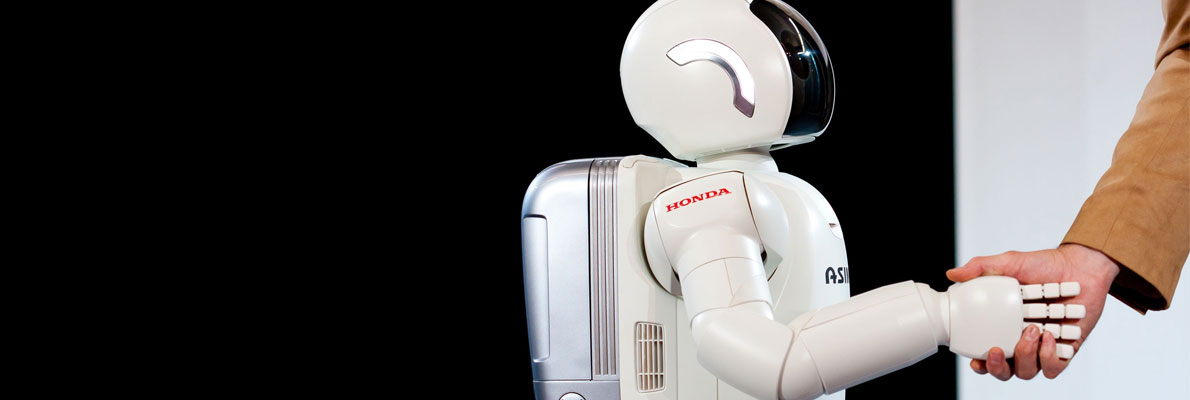
Once confined to science fiction, robots are now part of everyday life – making global headlines last week as a Chinese humanoid robot completed its first half-marathon. As investment in robotics accelerates, helium is emerging as a critical enabler – especially in fast-growing areas like drone and automation startups, which have seen some of the biggest funding surges in the past quarter. In the three months to the end of March 2025, there were 34 CVC-backed deals worth a combined $1.3 billion – a 183% increase year-on-year, and the biggest jump of any industrial sub-sector. This boom is being powered by breakthroughs in artificial intelligence (AI), enabling a new generation of robots that can perform tasks with unprecedented precision.
This reflects a broader trend: companies around the world, from Tesla and Boston Dynamics to Hyundai and emerging Chinese developers, are accelerating efforts to commercialize humanoid autonomous robots. As a new era of innovation unfolds and robotics technology moves closer to mass deployment across industries such as manufacturing, logistics, and space exploration, the underlying demand for critical materials essential to semiconductor production is intensifying.
Helium plays a critical role in the manufacturing of semiconductors – the essential components that power robotic systems. Semiconductors handle everything from processing instructions and controlling movement to managing power and interpreting sensor input, enabling robots to execute complex algorithms and adapt intelligently to their environment. Advanced industrial and humanoid robots are now among the most semiconductor-intensive machines on earth, driven by their need for real-time control, sensing, AI processing, and wireless communication. From power management chips and AI processors to analog sensors and communication modules, the entire ecosystem of robotic intelligence relies on helium-supported semiconductor production.
From the United States to China, investment in humanoid and industrial robotics is surging. As demand for automation and advanced services grows, Chinese firms like Unitree are setting new standards for affordability and agility, while Tesla plans to deploy thousands of Optimus robots across its factories later this year. BMW, Hyundai, and Amazon are also moving to integrate humanoid robots into their warehouses and production lines. As robotics expands into new frontiers – from deep-sea mining to lunar exploration – adoption is accelerating and so is demand for the helium that makes it possible.
Pulsar Helium stands out as the only helium company with assets in both the United States and Greenland — a strategic position that is becoming increasingly valuable. Its growing investor base reflects a forward-thinking approach, recognizing the crucial link between cutting-edge technology and the raw materials that power it.
This alignment has attracted a rising wave of investors who understand helium’s critical role. Early adopters of Pulsar’s stock have shown sharp foresight, viewing helium not just as a commodity, but as a foundational resource driving the AI, cloud computing, and semiconductor revolution.
As helium’s importance to robotics, space exploration, and industrial automation becomes more widely recognized, participation in the sector is set to intensify.
Disclaimer
This article contains information based on current market conditions and publicly available data. It does not constitute financial advice, and investors should conduct their own due diligence before making any investment decisions.
Marc Farrington
PR & Partnerships
marc@pulsarhelium.com#PLSRINSIGHTS
Follow us on X


