


09/12/2025
Technology, Space & Energy
As AI and Health-Tech Converge, Helium’s Role in Powering Advanced Therapies Grows
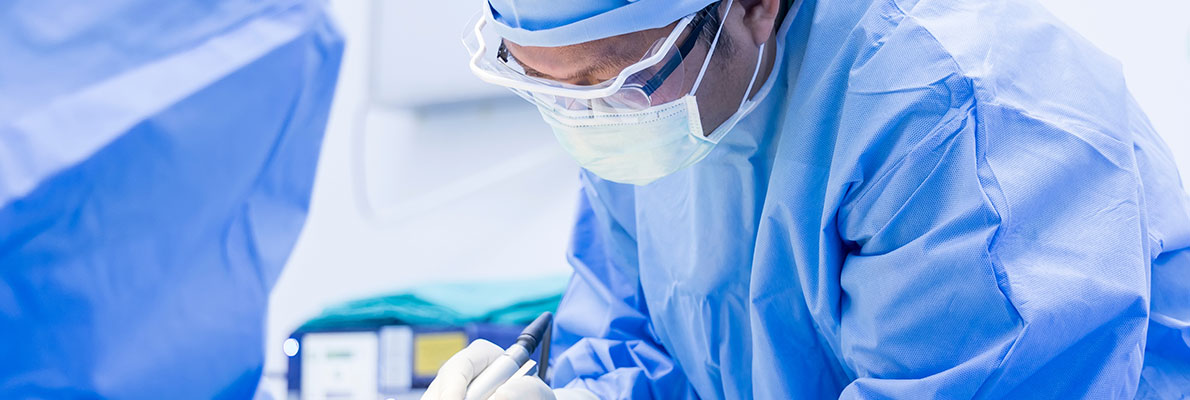
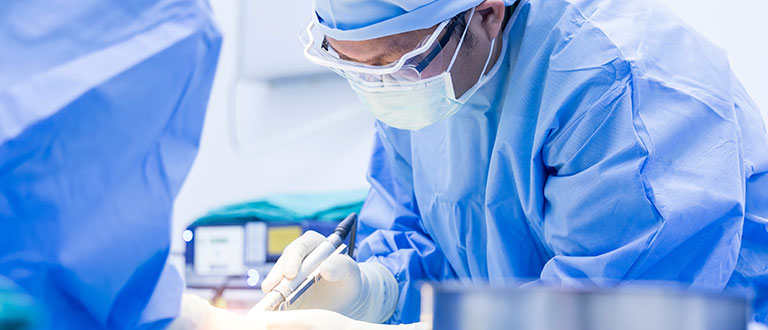
As global MedTech giants like Philips pour hundreds of millions into U.S. manufacturing and R&D, the ripple effect is sharpening an often-overlooked opportunity for helium – an element quietly central to healthcare’s innovation engine.
Philips recently announced a US$150 million expansion of its U.S. operations, spanning its Reedsville, Pennsylvania facility, which builds AI-enabled ultrasound systems, and its Image-Guided Therapy center in Plymouth, Minnesota, where a new MedTech training facility will create over 150 jobs. Combined with Philips’ US$900 million in annual U.S. R&D spending, these investments underscore growing demand from patients and clinicians for the latest innovations in healthcare – many of which are critically dependent on helium.
The context for this expansion is a booming global medical devices market: estimated at US$678.9 billion in 2025, with projections heading to US$1.1 trillion by the mid-2030s, growing at a steady CAGR of 6% (source: todaysmedicaldevelopments.com). From imaging and diagnostics to surgical robotics and advanced therapies, helium’s unique physical properties remain irreplaceable across both established and emerging medical applications.
The Rising Tide of Derived Demand
Helium enables the technologies that MedTech advances depend on:
- In Cell and Gene Therapy (CGT), helium powers the “gene gun”, a non-viral delivery system that launches DNA-coated microparticles into cells. It’s also critical in MRI/NMR devices (for cryogenic superconductor cooling), and in the ultra-low temperature preservation of stem cells and biological specimens. Ref: pulsarhelium.com
- Cold Atmospheric Plasma (CAP) devices use helium as a stable carrier gas for therapeutic plasma applications, used in wound healing and regenerative medicine. Ref: pulsarhelium.com
- In imaging and diagnostics, the demand for helium continues to increase as Philips ramps up production of AI-driven ultrasound devices and other cryogenically dependent imaging tools.
This is derived demand at its strongest: helium may be invisible, but without it, these breakthrough technologies simply don’t work.
As MedTech converges with AI, bioengineering, and personalized medicine, the raw materials that underpin and enable medical innovation, delivery, and care – including helium – are perhaps more strategic now than at any point in history.
Bottom Line
Increasing demand for helium is unfolding amid an unprecedented boom in MedTech and AI-driven personalized healthcare. Its role as a quietly indispensable enabler – spanning both medical infrastructure and next-generation therapies – is as vital as it is exciting. For investors and institutions aligned with this reality, the value proposition has never been clearer.
Pulsar Helium’s shares trade on TSXV: PLSR | OTCQB: PSRHF | AIM: PLSR
Disclaimer
This article contains information based on current market conditions and publicly available data. It does not constitute financial advice, and investors should conduct their own due diligence before making any investment decisions.
Marc Farrington
PR & Partnerships
marc@pulsarhelium.com#PLSRINSIGHTS
Follow us on X


