


03/27/2025
Critical Materials & Resource Dependency
The Tech Industry’s Silent Crisis: Why Helium Scarcity is the Next Big Supply Chain Shock
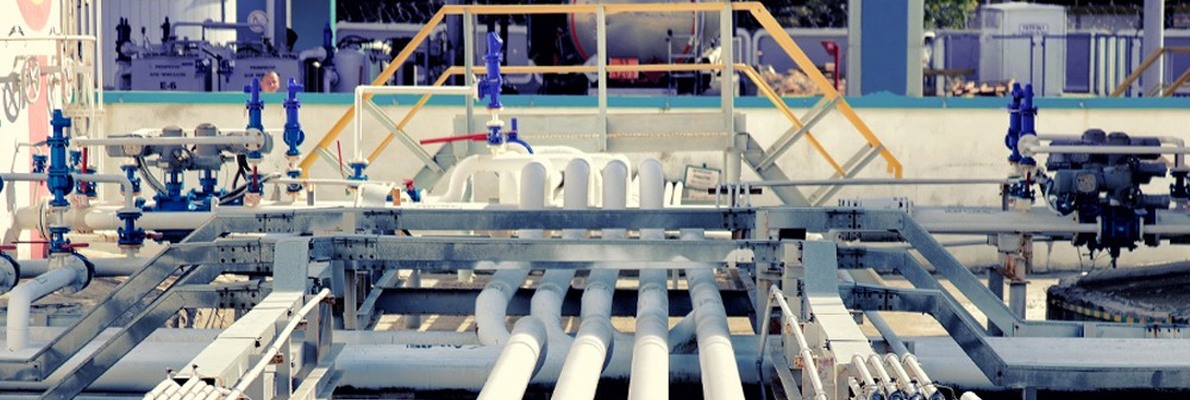
From AI and cloud computing to medical imaging and space exploration, helium is indispensable to some of the world’s most rapidly advancing industries. Yet, as global supply chains come under increasing strain, the importance of helium isn’t just significant – it’s critical. Without it, the technology we rely on daily, from AI infrastructure and cloud computing to life-saving medical devices and telecommunications, simply cannot function.
Demand continues to rise leaving countries like the US increasingly dependent on foreign resources as domestic output decreases. Take the United States Federal Helium Reserve, a once-abundant supply that has recently been privatized and is dwindling in size. The US government’s commitment to onshoring microchip production – a move projected to quadruple helium demand by 2035 – only amplifies the urgency of securing domestic supply. Without a long-term strategy, supply bottlenecks could severely hinder technological progress.
Geopolitical instability further complicates the picture. Dependence on resources from volatile jurisdictions poses significant risks to national security and industrial resilience. This mirrors broader strategic moves, such as the US government’s recent efforts to refill the Strategic Petroleum Reserve, seeking to prevent emergency drawdowns like those seen in 2022 when the country sold nearly 300 million barrels in response to Russia’s invasion of Ukraine. Helium, like oil, underpins entire industries, and securing its supply is just as critical to economic and technological stability.
The US draft agreement with Ukraine on mineral independence underscores this geopolitical shift, reinforcing the growing imperative to secure access to critical materials. Just as oil dominates headlines due to its role in the production of plastics, helium serves as the backbone of consumer electronics, including semiconductors and microchips. Without a steady and reliable helium supply, microchip manufacturing would face severe disruptions, AI infrastructure and cloud computing networks could falter, and crucial medical technologies would be at risk.
As helium reserves dwindle and industrial demand soars, the price of helium has risen accordingly. We’re beginning to see forward-thinking investors and those who recognize helium’s irreplaceable role in next-generation technologies position themselves ahead of the curve. The increasing interest in helium investment reflects a broader awareness of its importance in sustaining the industries that define modern life.
Pulsar’s growing investor base exemplifies this forward-thinking approach, demonstrating a deep understanding of the link between cutting-edge technology investments and the essential raw materials that power them. Pulsar investors recognize that helium is a cornerstone of the AI, cloud computing, and semiconductor revolution – and understand the intricate connection between innovation and resource security.
As helium’s role in the technology of today and the future becomes more widely acknowledged, Pulsar advances its new helium discoveries in Minnesota with the aim of contributing to domestic US supply.
Disclaimer
This article contains information based on current market conditions and publicly available data. It does not constitute financial advice, and investors should conduct their own due diligence before making any investment decisions.
Marc Farrington
PR & Partnerships
marc@pulsarhelium.com#PLSRINSIGHTS
Follow us on X


